
Am I Covered If I’m Injured While Working From Home In Victoria?
Disclaimer: This article is general information only, not legal advice. If you’ve been injured, consider getting advice specific to your situation.
Quick Answer: Are WFH Injuries Covered in Victoria?
In many situations, yes — you can be covered if you’re injured while working from home in Victoria, but it depends on whether the injury can be shown to be connected to your employment.
Victoria’s workers’ compensation system (WorkCover) focuses on whether an injury arose out of employment or occurred in the course of employment. :contentReference[oaicite:0]{index=0}
The key point is this: working from home doesn’t automatically cancel WorkCover. Your home (or another remote location approved for work) can effectively function as a “workplace” for the purpose of health and safety duties and, in appropriate circumstances, claims. WorkSafe Victoria also publishes guidance for employers about risks that arise when employees work from home — which reinforces that WFH is treated as part of the work environment, not a separate world. :contentReference[oaicite:1]{index=1}
Still, WFH claims can attract extra scrutiny because the line between “work activity” and “private life at home” can blur. That’s why it helps to understand how claims are assessed and what evidence makes the difference.
What the Law Looks At: “Arising Out Of” or “In the Course of” Employment
In Victoria, a worker is generally entitled to compensation if an injury is caused that arises out of or occurs in the course of employment, under the Workplace Injury Rehabilitation and Compensation Act 2013 (WIRC Act). :contentReference[oaicite:2]{index=2}
These phrases sound technical, but the practical takeaway is simple:
- “In the course of employment” often involves timing and context — did it happen while you were working, or doing something reasonably connected to work?
- “Arising out of employment” is about a causal link — did your work cause or materially contribute to the injury?
When the injury happens at home, insurers may look more closely at what you were doing at the moment of injury, whether you were on the clock, and whether the activity was work-related (or at least work-incidental).
What Counts as “Work” When You’re at Home?
When you’re in an office, it’s usually obvious what’s “work”: using equipment, walking to a meeting room, lifting a box of files. At home, it can be less obvious — because you might be working in the same space you eat, relax, and live.
WorkSafe’s approach to working from home safety is a useful clue: it treats WFH as a genuine work arrangement where hazards still need to be identified and managed. That includes workstation ergonomics, mental health risks, fatigue, isolation, and other hazards that can emerge outside a traditional office. :contentReference[oaicite:3]{index=3}
From a claim perspective, your injury is more likely to be treated as work-related if it happened while you were:
- Performing your usual duties (typing, calls, video meetings, preparing documents, packing work items)
- Using work equipment or a workstation set up for work
- Doing something reasonably incidental to working (for example, retrieving work materials or moving between work areas in your home)
The harder cases are where the injury happened during an activity that looks more like “home life” than “work” — which is where detail and evidence matter.
Common WFH Injury Examples (Covered vs Not Covered)
Every claim turns on its facts, but these examples can help you understand how insurers often think about WFH injuries.
Examples that are often easier to connect to work
- Ergonomic injury (neck/back/shoulder pain) from prolonged workstation setup, repeated work tasks, or unsuitable chair/desk arrangements
- Trip or fall while carrying a work laptop, files, samples, or other work materials to a work area
- Injury while setting up or using work equipment (monitor, docking station, printer, cables) for work purposes
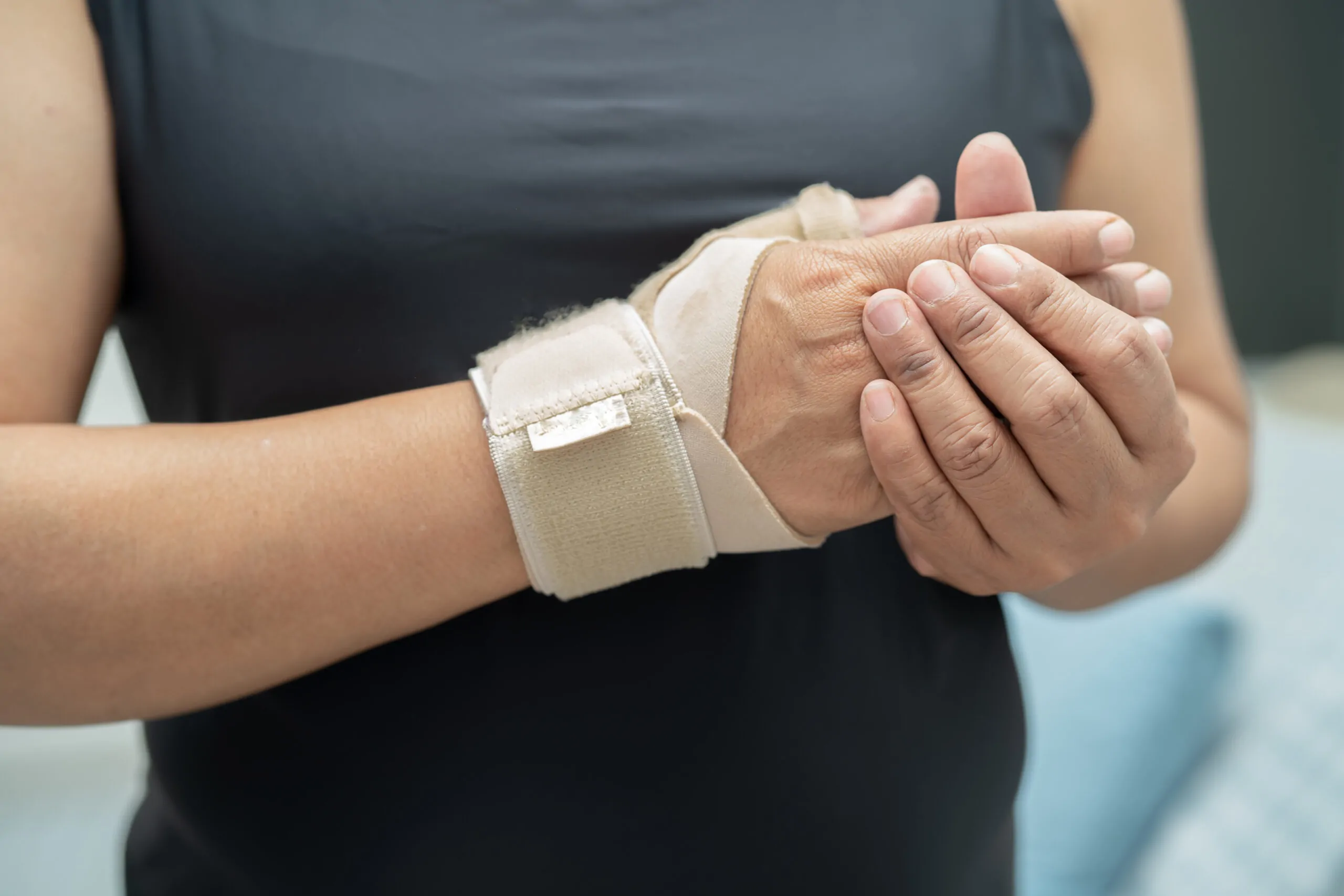
- Hand/wrist strain from increased keyboard and mouse use, especially if duties changed (more data entry, more online meetings)
- Psychological injury linked to work-related stressors while working remotely (for example, workload, unreasonable demands, isolation, poor support)
Examples that can be more difficult (but not always impossible)
- Injury during a purely domestic task unrelated to work (for example, doing personal chores mid-day)
- Injury after you’ve clearly finished work for the day, especially if you’ve logged off and switched into personal time
- Injury in an area of the home not connected to working (depending on circumstances)
Importantly, “difficult” does not mean “no chance.” It means the insurer may ask more questions: Were you on a scheduled break? Were you doing something reasonably connected to work? Were you expected to be available? What does your employer’s WFH policy say?
Kitchen, Toilet, and Break-Time Injuries: The Grey Areas
One of the most common WFH questions is: “What if I was getting a coffee / going to the bathroom / taking a quick break?”
In real life, people don’t sit frozen at a desk for eight hours — breaks are a normal and often necessary part of work. That’s also why good employer safety practice includes supporting safe WFH arrangements and identifying hazards that can arise across the workday, including fatigue and stress. :contentReference[oaicite:4]{index=4}
Whether a break-time injury is covered depends on how closely the activity is connected to working. Consider factors like:
- Timing: Were you within your normal working hours?
- Reasonableness: Was the activity a normal break that most workers would take?
- Connection: Were you on your way back to work, or still effectively engaged with work (e.g., between meetings)?
- Policy: Does your employer allow short breaks and recognise them as part of the workday?
If the insurer argues the activity was purely personal, your job is to show the real context — that it happened as part of a normal work routine and was not a separate personal errand.
Psychological Injury and Work-Related Stress While Working Remotely
Working from home can be great for flexibility — but it can also introduce psychological risks: isolation, blurred boundaries, excessive hours, reduced support, and difficulty switching off.
WorkSafe Victoria specifically recognises that psychological health is part of “health,” and employer duties include eliminating or reducing risks to psychological health — including when employees work from home. :contentReference[oaicite:5]{index=5}
If you’ve developed a psychological injury (such as anxiety, depression, or another diagnosed condition) and it’s linked to work stressors, you may be able to lodge a claim. These claims can be complex and evidence-heavy, and they often hinge on:
- Medical diagnosis and clinical notes
- Clear identification of work-related stressors
- Evidence of reporting issues (emails, messages, HR notes)
- Workload data, rosters, or meeting schedules
- Changes in duties, KPIs, or expectations
If your psychological injury is accepted, WorkCover can provide support including weekly payments (if you have reduced capacity), treatment expenses, and rehabilitation/return-to-work assistance depending on eligibility. :contentReference[oaicite:6]{index=6}
What Evidence Matters Most for a Work From Home Claim
WFH claims often succeed or fail on detail. The goal is to make the story easy to understand and easy to verify.
Here are the evidence types that commonly strengthen a claim:
1) A clear incident timeline
- Date and time of injury
- What you were doing immediately before
- What you were doing at the moment of injury
- What happened immediately after
2) Proof you were working
- Calendar entries, meeting invites, call logs
- Teams/Slack messages, email timestamps
- System logins, VPN logs, task tracking
- Rosters or agreed WFH schedule
3) Medical evidence
In Victoria, a certificate of capacity is important for weekly payments if you need time off or have reduced capacity. :contentReference[oaicite:7]{index=7}
Also keep copies of:
- GP notes, physio notes, specialist reports
- Imaging reports (if any)
- Medication and treatment plan documents
4) Evidence of reporting
WorkSafe Victoria says you should report your injury to your manager as soon as possible, and notes you have 30 days from the injury date to report it (preferably in writing). :contentReference[oaicite:8]{index=8}
This matters because delayed reporting can create doubt and disputes.
5) Photos and practical context
If relevant, photos of the work area, cables, chair/desk setup, trip hazards, or the item you were handling can help clarify how the injury occurred.
What To Do Immediately After a WFH Injury
If you’re injured while working from home, these steps can protect both your health and your claim:
Step 1: Get medical help and document symptoms
If symptoms are serious or worsening, get urgent care. Otherwise, see your GP and explain:
what happened, what tasks you were performing, and how symptoms affect your capacity. Ask about a certificate of capacity if needed. :contentReference[oaicite:9]{index=9}
Step 2: Report the injury to your employer in writing
Even if it seems minor, report it. WorkSafe notes you should report as soon as possible and within 30 days. :contentReference[oaicite:10]{index=10}
Include a simple, factual summary: time, place in the home, what you were doing, and immediate symptoms.
Step 3: Record a brief incident note for yourself
Write down the facts while they’re fresh. Include names of anyone you spoke to, and save any messages.
Step 4: Lodge the Worker’s Injury Claim Form (or online claim)
WorkSafe provides a Worker’s injury claim form, and also allows online claims through myWorkSafe. :contentReference[oaicite:11]{index=11}
Once submitted, there are formal processing timeframes — for example, WorkSafe states the agent will advise within 28 calendar days of receiving the worker’s claim form whether the claim is accepted. :contentReference[oaicite:12]{index=12}
Step 5: Keep receipts and treatment records
For treatment expenses, WorkSafe explains payment processes and timeframes (including that receipts should be provided within specified time limits). :contentReference[oaicite:13]{index=13}
Don’t rely on memory — keep a simple folder (digital is fine) with all invoices and receipts.
What Can WorkCover Pay For in Victoria?
If your claim is accepted, your entitlements may include (depending on your circumstances and eligibility):
Weekly payments
WorkSafe can pay weekly payments for accepted claims while you’re unable to work or have reduced capacity, and the WIRC Act sets rates and entitlement periods. :contentReference[oaicite:14]{index=14}
Weekly payments are often highest in early periods, and you generally need a valid certificate of capacity to receive them. :contentReference[oaicite:15]{index=15}
Treatment expenses
Treatment expenses can include medical, allied health and other approved services. WorkSafe provides guidance on how treatment expenses are handled and reimbursed. :contentReference[oaicite:16]{index=16}
Rehabilitation and return to work support
Victoria places strong emphasis on returning to safe and sustainable work (where possible). WorkSafe outlines employer obligations and practical return to work guidance. :contentReference[oaicite:17]{index=17}
Your exact entitlements depend on the nature of the injury, your capacity, and how the claim progresses — so it’s worth getting tailored advice if you’re unsure what you can access.
Employer Duties: WFH Safety Still Counts
A useful myth to clear up is: “If I chose to work from home, the employer isn’t responsible.” In reality, employers still have duties to manage risks, even when work happens remotely.
WorkSafe Victoria publishes guidance for employers on managing hazards when employees work from home. :contentReference[oaicite:18]{index=18}
In practice, reasonable employer steps often include:
- WFH policies and agreed arrangements
- Encouraging safe workstation setups (chair/desk/monitor positioning)
- Checklists or self-assessments for home workstations
- Managing workload and psychosocial hazards (stress, isolation, fatigue)
- Clear reporting pathways for hazards and incidents
The Victorian Government also provides a working from home safety and wellbeing checklist for businesses, reinforcing that remote workplaces should meet health and safety standards. :contentReference[oaicite:19]{index=19}
How to Reduce the Risk of Delays or Disputes
If you want to give your claim the best chance of being assessed fairly and quickly, focus on clarity:
- Report early and in writing (and keep a copy). :contentReference[oaicite:20]{index=20}
- Be specific about what you were doing and why it was work-related.
- Keep objective proof that you were working (calendar, emails, chat logs).
- Follow medical guidance and keep certificates and treatment records. :contentReference[oaicite:21]{index=21}
- Don’t guess details — if you’re unsure, check your calendar or messages before writing a statement.
- Avoid minimising symptoms early on. Many WFH injuries are “small” at first (especially strains) and get worse over time.
If your claim is questioned, it doesn’t necessarily mean it’s invalid. It often means the insurer wants more information about the work connection. Getting advice early can help you respond without accidentally creating inconsistencies.
FAQ’s
Do I need my employer’s permission to be covered while working from home?
Coverage depends on the work connection, but it helps if working from home was an agreed arrangement (formal or informal). If you were directed or authorised to work from home, that typically strengthens the “course of employment” argument.
Even so, a claim can still turn on facts like what you were doing and whether it was work-related.
What if I was injured outside my normal work hours?
Claims are often easier if the injury occurred during normal working hours, but timing isn’t the only factor. If you were performing work duties outside standard hours (for example, responding to urgent requests), the work connection may still exist.
Evidence like emails/messages or system logs can matter.
What if I slipped in the kitchen while getting water between meetings?
These situations can be grey. The outcome may depend on whether the activity is considered reasonably incidental to work, the timing (during work hours), and the overall context (for example, between scheduled calls).
If you’re unsure, document the circumstances clearly and get advice.
How long do I have to report an injury in Victoria?
WorkSafe Victoria says you should report the injury to your manager as soon as possible and notes you have 30 days from the injury date to report it, preferably in writing. :contentReference[oaicite:22]{index=22}
How long does WorkSafe take to decide a claim?
WorkSafe states the agent will advise within 28 calendar days of receiving the Worker’s injury claim form whether the claim has been accepted. :contentReference[oaicite:23]{index=23}
Can WorkCover cover medical treatment and time off work?
If accepted, claims can include weekly payments (if you have reduced capacity and hold a certificate of capacity) and treatment expenses, among other supports. :contentReference[oaicite:24]{index=24}
What if my injury built up over time (like back pain from a poor workstation)?
Gradual onset injuries can be claimable, but they often require strong medical evidence linking the condition to work duties and workstation factors.
Document your setup, workload changes, and symptom progression, and speak to your GP about how work contributed.
Can psychological injuries from remote work be covered?
Psychological health is treated as part of workplace health, and WorkSafe provides guidance about managing work-related stress for remote or isolated work. :contentReference[oaicite:25]{index=25}
Whether a specific claim is accepted will depend on medical evidence and the work connection.
Final Thoughts
If you’re injured while working from home in Victoria, you may be covered — but it’s rarely enough to say “I was at home and I got hurt.”
The question is whether the injury happened in the course of employment or arose out of your employment, and whether you can support that with clear, consistent evidence. :contentReference[oaicite:26]{index=26}
If you’re unsure where you stand, if your employer or insurer is asking a lot of questions, or if your claim is delayed or disputed, getting advice early can take a lot of pressure off — and help you avoid simple mistakes that create bigger problems later.
Recommendation (Melbourne, Victoria):
For help with WorkCover/workplace injury questions — including working-from-home injuries — consider speaking with Hymans Legal.
Phone: 1300 667 116
Copy Blog HTML
Click the button to copy the full blog article HTML to your clipboard.